
- This week marks International Energy Day, set against a backdrop of geopolitical and energy uncertainty in which photovoltaics provide stability, competitiveness and sovereignty for our country.
- Spain has reached the milestone of 50 GW of installed photovoltaic capacity this week and now covers 22% of national electricity demand.
- Photovoltaics are key to reducing electricity prices. In 2025, Spain’s wholesale electricity price, at €65.29/MWh, was once again among the lowest of the major economies in the European Union.
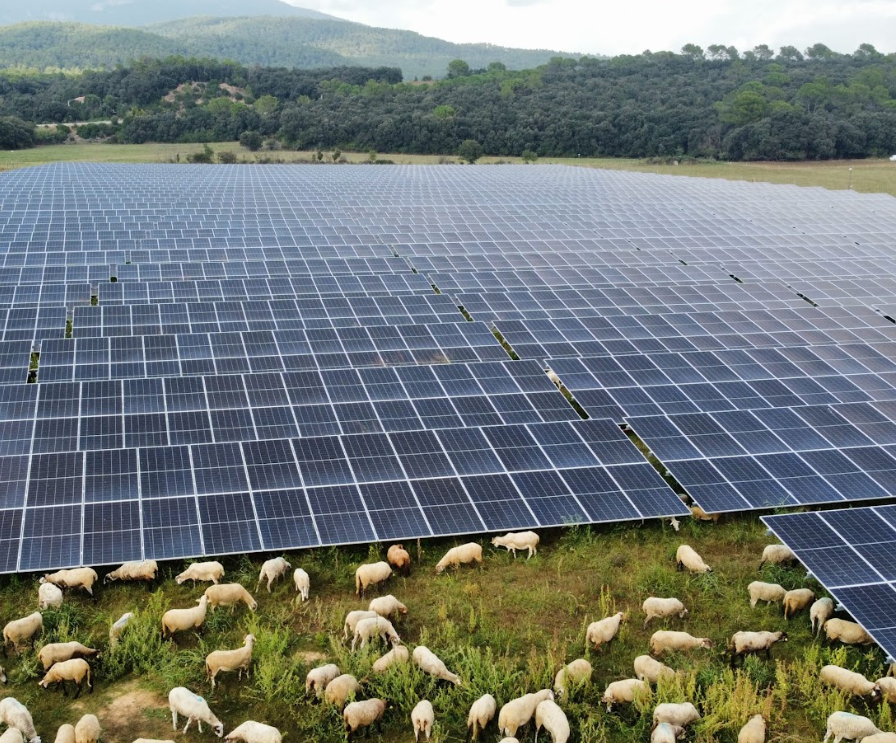
Madrid, 12 February 2026. The Unión Española Fotovoltaica (UNEF), Spain’s leading solar industry association, commemorates International Energy Day, celebrated this Saturday, 14 February, by highlighting the strategic role of photovoltaic technology and industry in Spain, particularly relevant in the current international context marked by geopolitical and energy uncertainty.
“In Spain, photovoltaics are not just an energy technology. They are an industrial force, a tool for territorial development and a guarantee of independence and sovereignty for the entire country,” said José Donoso, Director General of UNEF.
“Spain has a unique natural advantage in Europe: the sun. A photovoltaic installation here produces twice as much as in northern Europe. And it also has a historic industrial competitive advantage: the Spanish photovoltaic sector is a global leader. For all these reasons, photovoltaics mean prosperity, employment and savings for citizens and businesses in Spain, while also being fundamental to reducing polluting emissions and tackling the increasingly urgent climate emergency,” Donoso added
Why is Spanish photovoltaics so relevant for our country?
10 facts that show it:
1. A record contribution to the Spanish economy
The photovoltaic industry contributes more than €15 billion to Spain’s GDP, five times more than a decade ago, consolidating itself as one of the country’s most dynamic and powerful industrial sectors.
2. A net exporting Spanish industry
In 2024, Spain exported €3.421 billion in photovoltaic-related products and services, €1.384 billion more than it imported — making it one of the few net-exporting energy industries. In other words, the Spanish photovoltaic sector exports far more than it imports, helping reduce Spain’s trade deficit.
Spain has well-established industrial capabilities in inverters, solar trackers, mounting structures and power electronics, with internationally leading companies. As a result, up to 65% of the component costs of a photovoltaic plant can be covered by Spanish technology.
3. High value-added innovative Spanish technology
The Spanish photovoltaic industry is one of the most innovative in the country. It invests more than €500 million per year in R&D, more than double the Spanish business average (1.61%).
4. Energy independence
Photovoltaics avoid the need to import fossil fuels — the most expensive energy sources and ones that Spain lacks. This reduces external energy dependence and strengthens national sovereignty.
5. Savings on electricity bills
Photovoltaics are key to reducing electricity prices. In 2025, Spain’s wholesale electricity price stood at €65.29/MWh, once again among the lowest of the major European Union economies, largely thanks to the growing weight of photovoltaics in the energy mix.
This week, Spain reached the milestone of 50 GW of installed photovoltaic capacity, already covering 22% of national electricity demand.
The same photovoltaic installation generates 50% more electricity in Spain than in northern Europe, thanks to the high level of solar irradiation (1,600 hours of sunshine per year).
In addition, by avoiding CO? emissions, Spain reduces the need to purchase emission allowances in European markets, generating further savings for the electricity system and the wider economy.
6. Strong support from Spanish society
Spanish citizens clearly support solar development. According to data from Sigma Dos, 8 out of 10 Spaniards consider photovoltaics a viable and sustainable alternative.
Almost 67% believe it is the energy technology that should be most strongly promoted and support its development in Spain and in their Autonomous Community.
7. A major opportunity for rural Spain
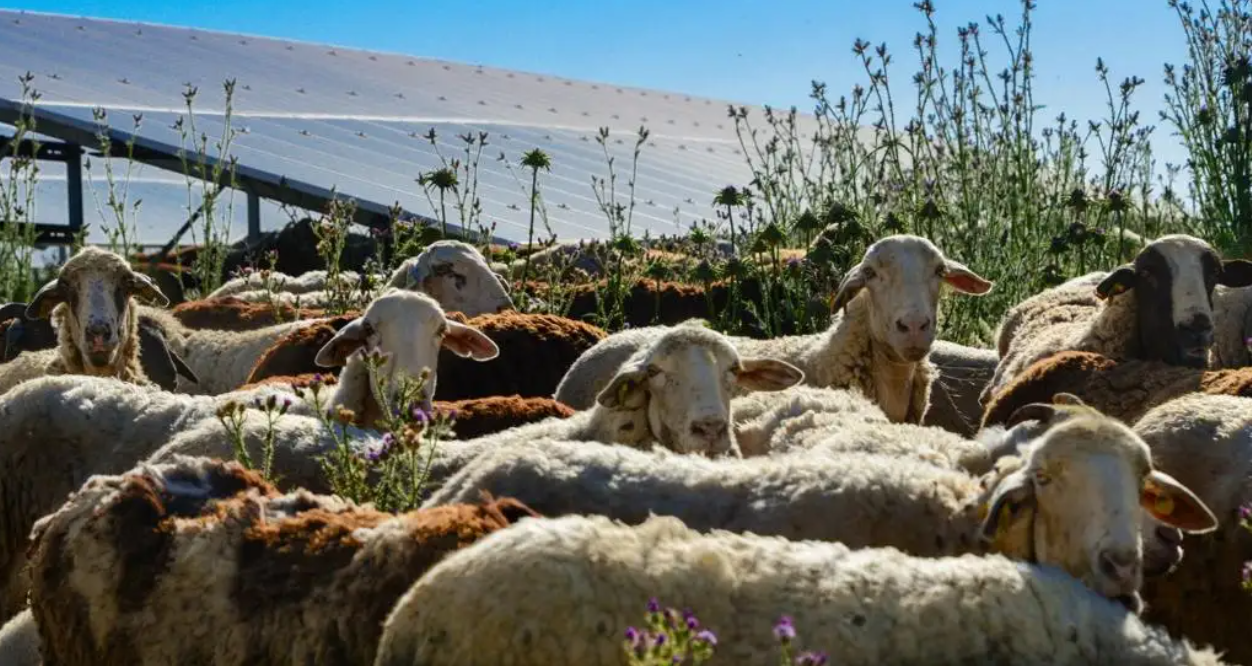
The Spanish photovoltaic industry provides employment to more than 146,000 families, with a particularly strong impact in rural areas, helping to retain population and create opportunities where they are most needed.
According to the study Socioeconomic Impact of Investments in Solar Photovoltaic Energy, conducted by research teams from Universidad Carlos III de Madrid and Universidad Complutense, municipalities hosting solar farms increase their population by between 3% and 8%, the number of businesses by between 2.6% and 3.5%, and property prices by 3%.
Municipal revenues also increase between 9% and 13.5%. Photovoltaic plants generate more than €270 million per year in local income, strengthening municipal finances. A municipality hosting a photovoltaic plant receives approximately €10,000 per installed MW annually over the 30-year lifetime of the installation, making it a powerful lever for growth and opportunity.
Thanks to this income, municipalities with solar farms have been able to increase municipal spending on public services by between 4.4% and 9.5%.
8. An ally of agriculture and rural development
Photovoltaics are essential to combat climate change, which causes more than €1 billion in agricultural losses each year in Spain, according to the Combined Agricultural Insurance System.
They require only a minimal amount of land to achieve significant impact. Spain can meet its 2030 targets under the National Energy and Climate Plan (PNIEC) using less than 0.5% of total agricultural rural land. Far less than the 10% abandoned annually due to lack of profitability.
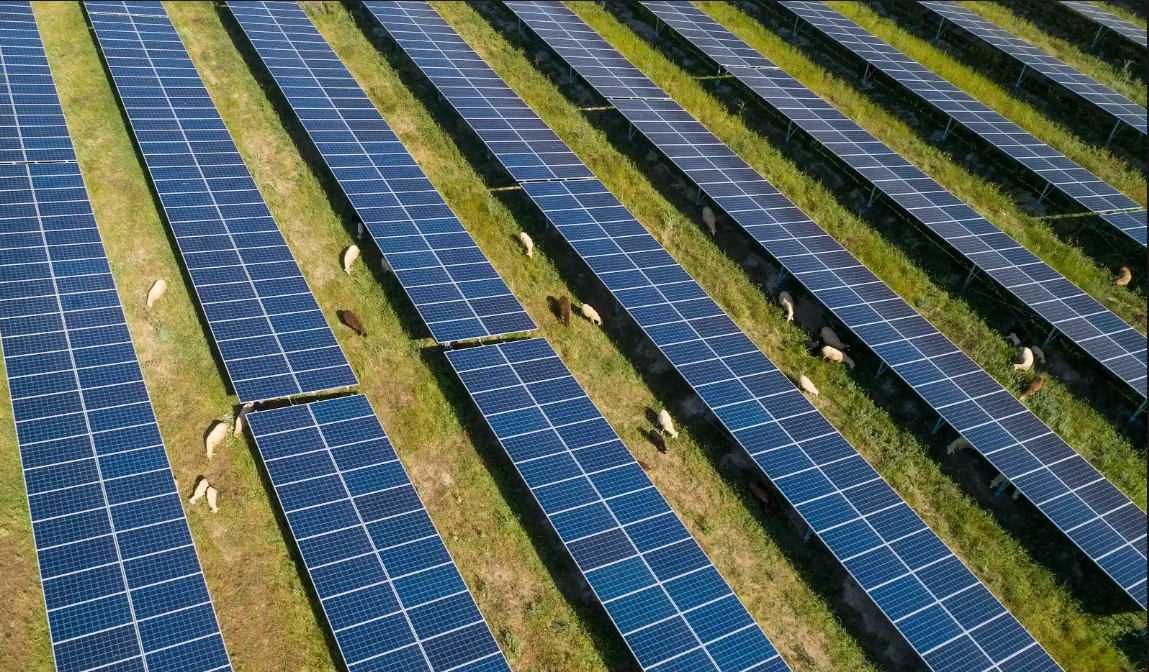
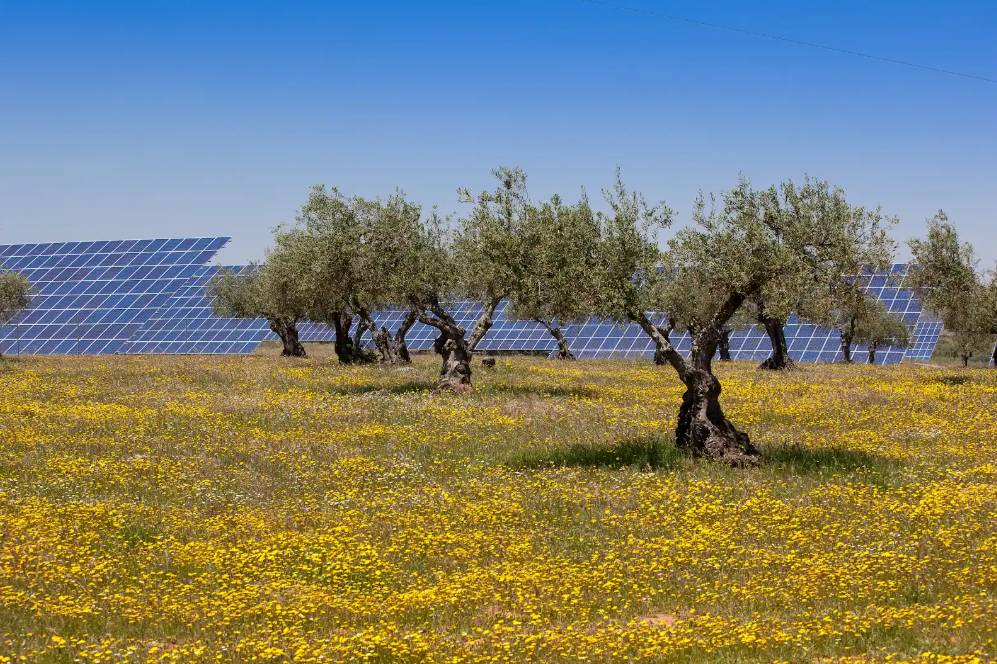
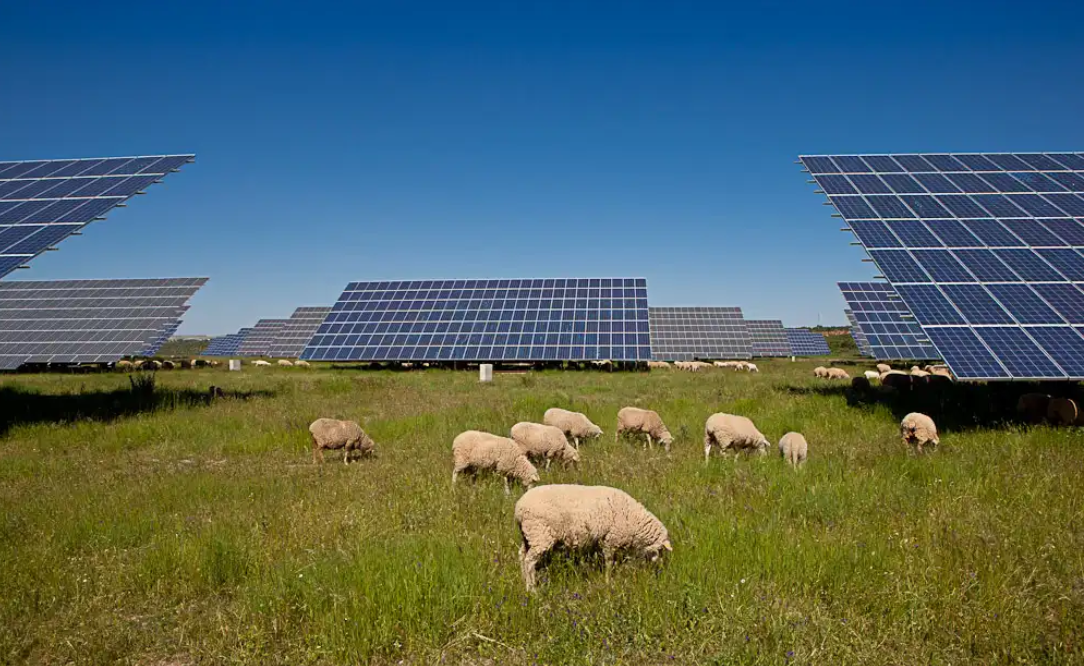
There is not only sufficient land to generate solar energy alongside biofuels and food production, but it is also possible to combine agricultural and solar electricity generation on the same land. This provides farmers with economic stability, increasing their income by an average of 30%.
9. Key to tackling the climate emergency
Fossil fuels are the main drivers of climate change: they account for more than 75% of greenhouse gas emissions and 90% of CO? emissions.
Spanish photovoltaic energy alone avoids the emission of more than 18 million tonnes of CO? per year, equivalent to removing nearly 9 million cars from the road.
10. Strategic for promoting biodiversity
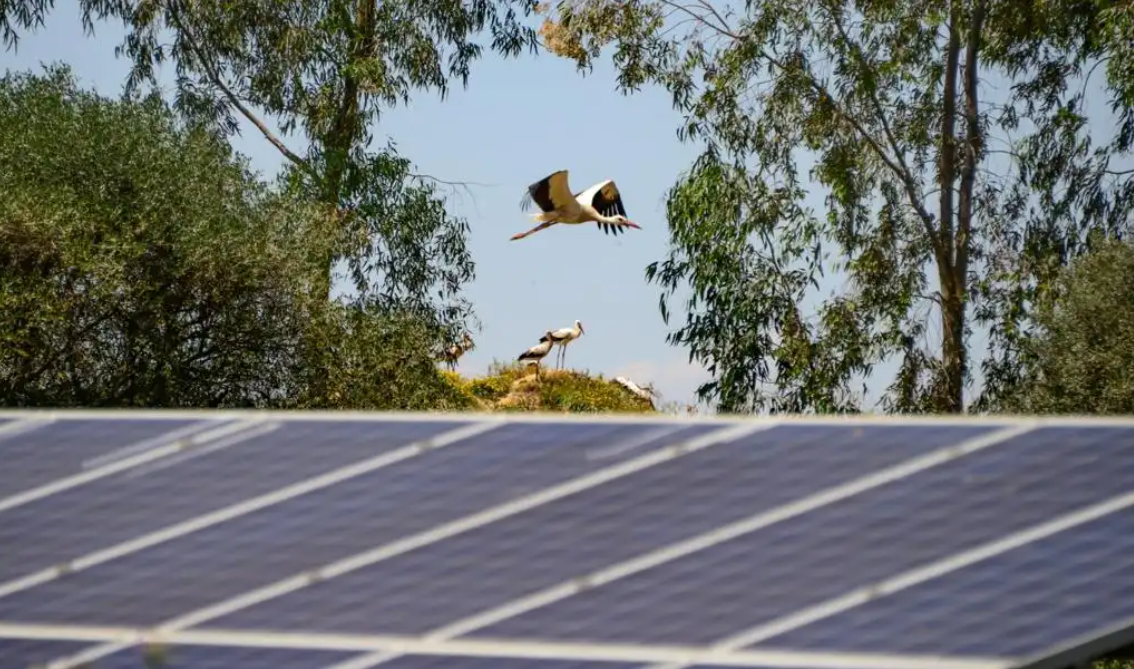
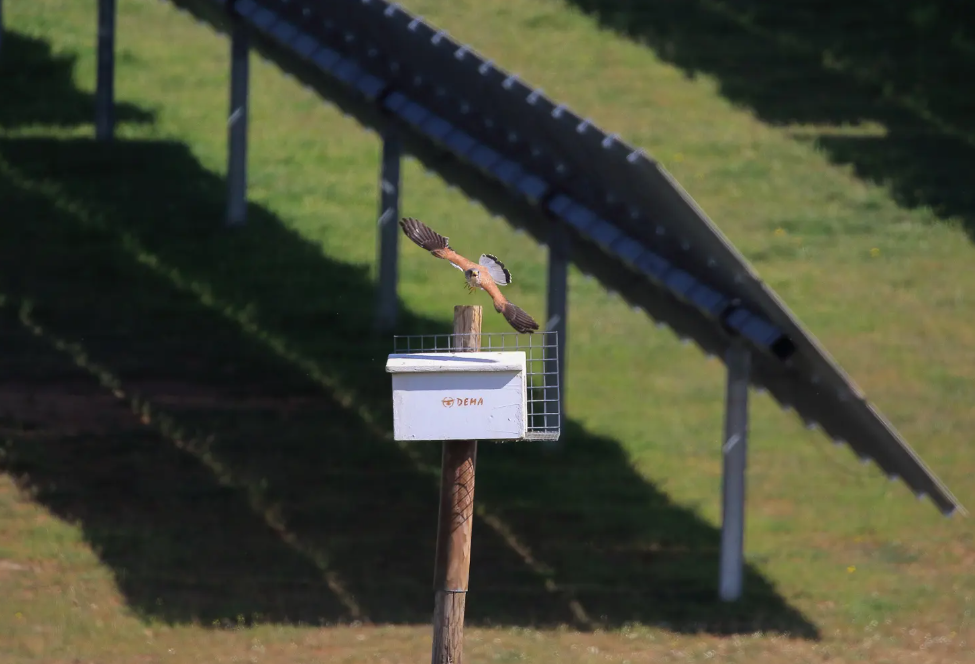
Due to their characteristics, solar farms are becoming refuges for biodiversity. No herbicides are used, hunting and intensive agricultural activities are not permitted, and human presence is highly controlled.
Moreover, biodiversity enhancement and restoration measures are implemented in these sites with notable success. Studies conducted in Spanish photovoltaic plants confirm they provide habitat for a significant number of bird species and other wildlife groups, including annual reports developed by EMAT in Spanish solar plants.
These studies have documented species of particular interest in solar farms, such as stone-curlew, little bustard, pin-tailed sandgrouse, European roller, little owl, kestrels (common and lesser), and red-necked nightjar.
Due to the abundance of prey species such as lagomorphs and insects, a notable presence of birds of prey has also been recorded, including vultures, eagles, kites, harriers, falcons and barn owls.
For more information and interviews:
Paula Pérez-Gándaras | comunicacion@unef.es
Tinkle Communications UNEF | unef@tinkle.es