
- According to the study “Spanish Public Perception of Photovoltaic Energy” by Sigma Dos for UNEF
- Citizens identify solar energy as an inexhaustible, clean source and key to reducing energy dependence and lowering electricity prices
- Almost seven out of ten Spaniards consider storage essential to ensure the stability of the electricity system
- 43.3% of respondents point to the failure of power plants responsible for controlling grid voltage as the main cause of the blackout, far ahead of other possible explanations such as safety disconnections, renewable deployment or a cyberattack
- There is broad consensus around solar parks as an opportunity for economic growth and job creation in rural areas and depopulated regions of Spain
 Madrid, 27 January 2026. Solar photovoltaic energy enjoys broad and cross-cutting social support in Spain. This is confirmed by the survey “Spanish Public Perception of Photovoltaic Energy”, conducted by Sigma Dos for the Unión Española Fotovoltaica (UNEF), according to which 84.2% of Spaniards consider solar photovoltaic energy to be a viable and sustainable alternative for electricity generation in our country.
The results reflect a high level of social consensus regarding the strategic role of solar energy in the current context of energy transition. Concern about climate change reaches an average of 6.9 out of 10, and renewable energy sources are perceived as a key tool both to combat it and to move towards a more secure, competitive and sustainable energy system. Seven out of ten Spaniards believe renewable energy plays a very or fairly relevant role in slowing down climate change.
“The Sigma Dos data show that Spanish society continues to strongly support photovoltaic energy, both large-scale solar parks and self-consumption solutions, and understands its contribution to the country’s energy independence from imported fossil fuels, as well as the savings it represents on electricity bills,” said José Donoso, Director General of UNEF, during the presentation of the report.
An inexhaustible, clean and more affordable energy source
Solar energy is the most widely known renewable source among the population and the one that the highest percentage of people believe should be further promoted or developed in Spain. 66.3% of Spaniards consider that solar energy should be promoted in Spain, placing this technology at the top of those that should be further developed for electricity generation in our country.
The main benefit attributed to photovoltaic solar parks is that it is an inexhaustible energy source, as it comes directly from the sun. Other widely recognized benefits include the fact that it does not produce CO? or greenhouse gas emissions, reduces dependence on other fuels and contributes to providing more affordable energy.
Strong support for photovoltaic parks
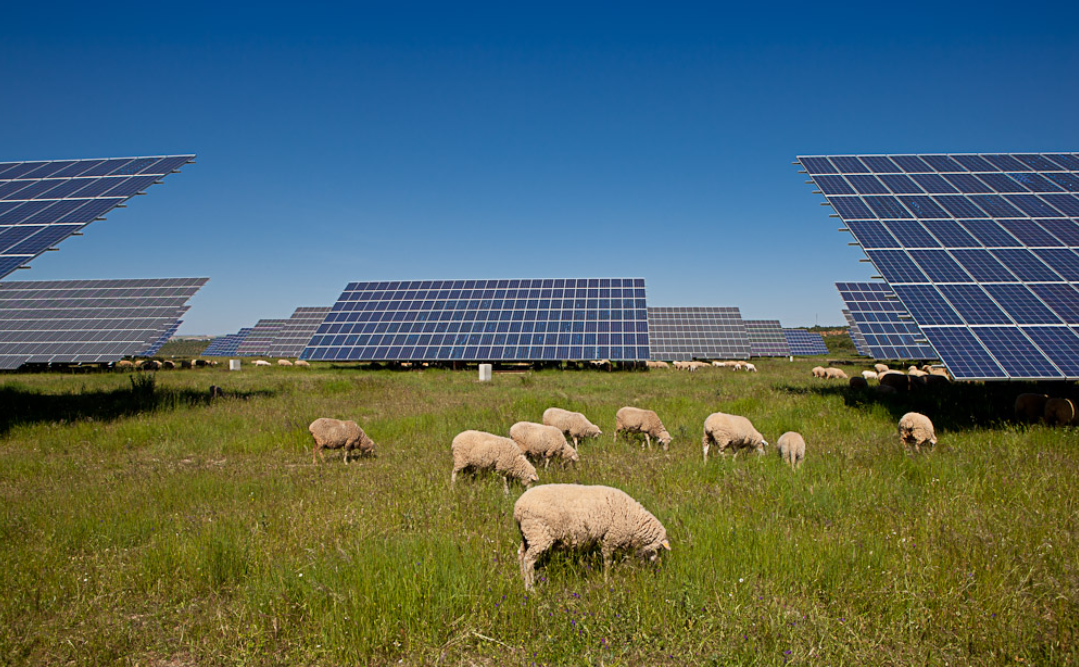
67% of the population supports the deployment of photovoltaic parks in Spain and in their Autonomous Community, compared to only 11% who oppose them. Even when their installation in respondents’ own municipality is considered, support remains a majority (60.7%).
Citizens also consider consultation and participation of the local population in projects to be key. In terms of socioeconomic impact, two out of three people (66.5%) believe that investing in solar energy represents an opportunity for depopulated areas of Spain, and 64.1% believe that solar parks can generate growth and employment in rural areas.
Moreover, more than half (53.7%) see solar parks as compatible with agricultural production, reinforcing the perception of photovoltaics as a sustainable and forward-looking energy source, including in rural environments.
Energy storage, key to harnessing solar energy
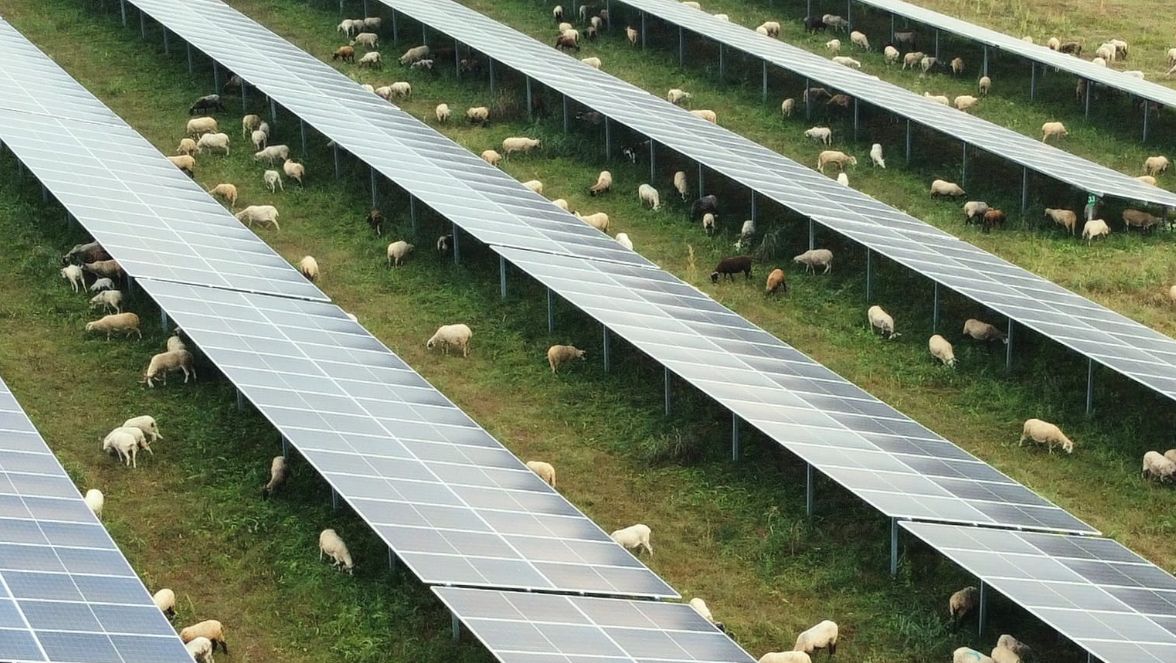
The Sigma Dos survey shows majority support for energy storage as a necessary complement to solar photovoltaic energy. Almost seven out of ten Spaniards consider storage to be essential or very important to better utilize the energy generated and to guarantee the stability of the electricity system, and agree that their municipality should have storage facilities.
In addition, more than 60% of the population believe that storage significantly contributes to improving security of supply and reducing external energy dependence. For more than half of respondents, its development is key to boosting renewable energy and advancing towards a more efficient and sustainable electricity system.
Self-consumption valued for the savings it provides
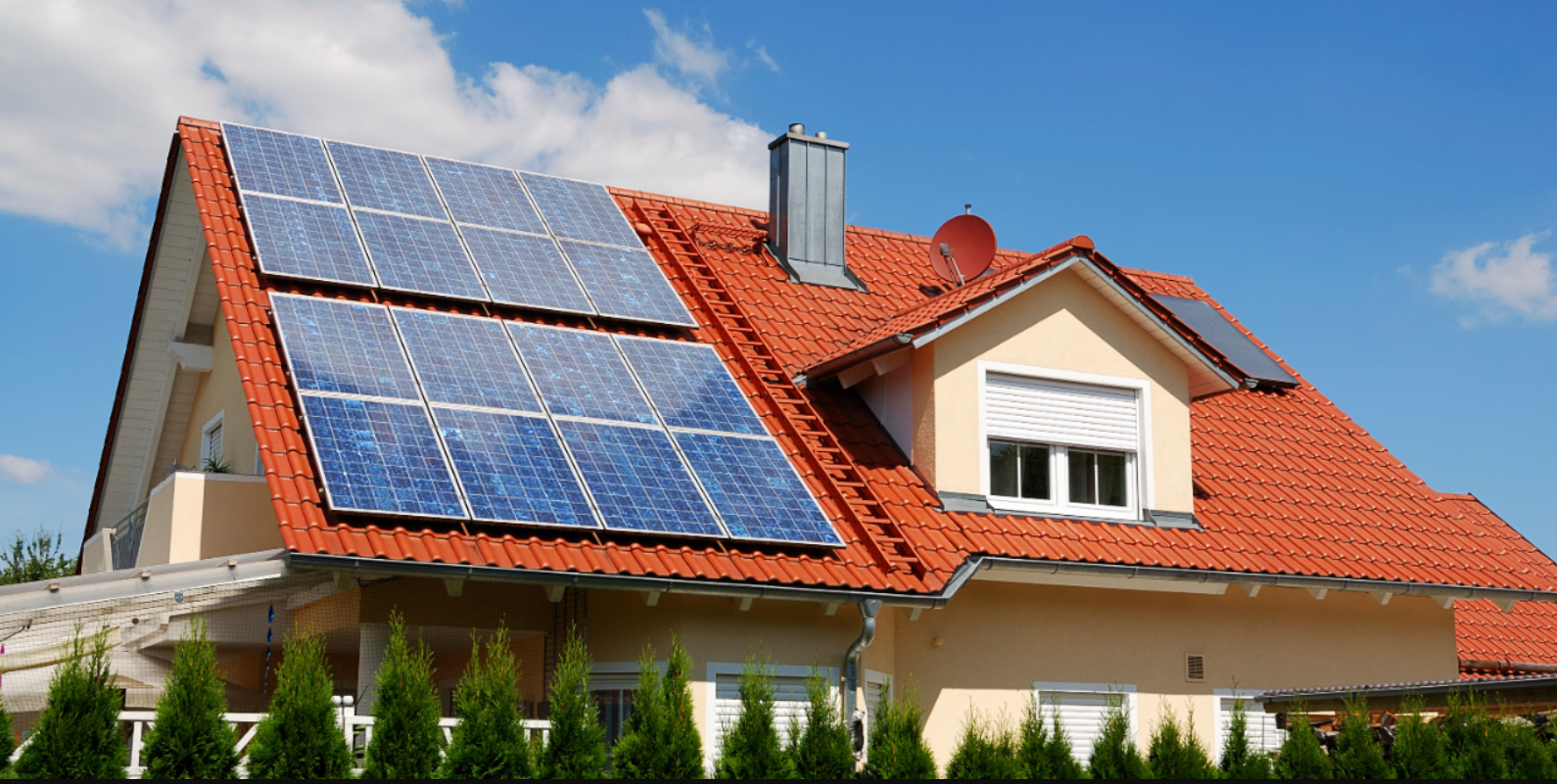
Among the actions Spaniards are most willing to take against climate change, the installation of self-consumption solar panels stands out, with 34.2% stating they are fully willing to do so.
Economic savings are the main reason people consider installing solar panels at home, and also the primary motivation among those who already have them: achieving a lower electricity bill.
Overall, four out of ten people state they do not know whether their home is suitable for solar panel installation. The type of dwelling appears to be key: 41.3% of respondents living in single-family homes are fully willing to install self-consumption panels, and the vast majority know whether their home is suitable. However, 50.3% of people living in apartment buildings do not know whether they can install solar panels.
Public perception of the blackout
The study also analyzes public perception of the so-called “blackout” of 28 April. The results show that most Spaniards do not associate the development of renewable energy with the causes of the blackout.
Instead, citizens mainly identify causes unrelated to renewable deployment. Specifically, 43.3% of respondents point to the failure of power plants responsible for controlling grid voltage as the main cause of the 2025 blackout, far ahead of other possible explanations such as safety disconnections, renewable deployment or a cyberattack.
A minority segment with low climate concern
The study identifies a minority segment of the population (11%) that falls within the lowest levels of concern about climate change (scores 0–3 on a scale of 0 to 10). This group shows lower environmental sensitivity and a more critical perception of the role of renewable energy.
Lower climate concern is particularly concentrated in the 30–44 age group, compared to older age groups, which show significantly higher levels of concern.
About Sigma Dos
Founded in 1982, Sigma Dos is Spain’s longest-established market research and public opinion company with an international presence. It is composed of a multidisciplinary team of professionals specializing in sectors and methodologies. It is a founding partner of CIMA (Ibero-American Consortium of Marketing Companies) and belongs to Insight Analytics and Gallup International. Part of Eurostar Mediagroup, Sigma Dos remains at the forefront of innovation in technology, methodology and fields of research. Its objective is to apply this innovation to its studies in order to increase added value and offer advanced services to its clients.
About UNEF
The Unión Española Fotovoltaica (UNEF) is the Spanish photovoltaic solar energy industry association. Comprising more than 800 companies, entities and associations across the entire technology value chain, it represents more than 90% of the sector’s activity in Spain and includes nearly all industry stakeholders: producers, installers, engineering firms, raw material, module and component manufacturers, distributors and consultants. UNEF also holds the presidency and secretariat of FOTOPLAT, the Spanish photovoltaic technology platform, which brings together universities, research centers and leading companies in photovoltaic R&D in Spain.